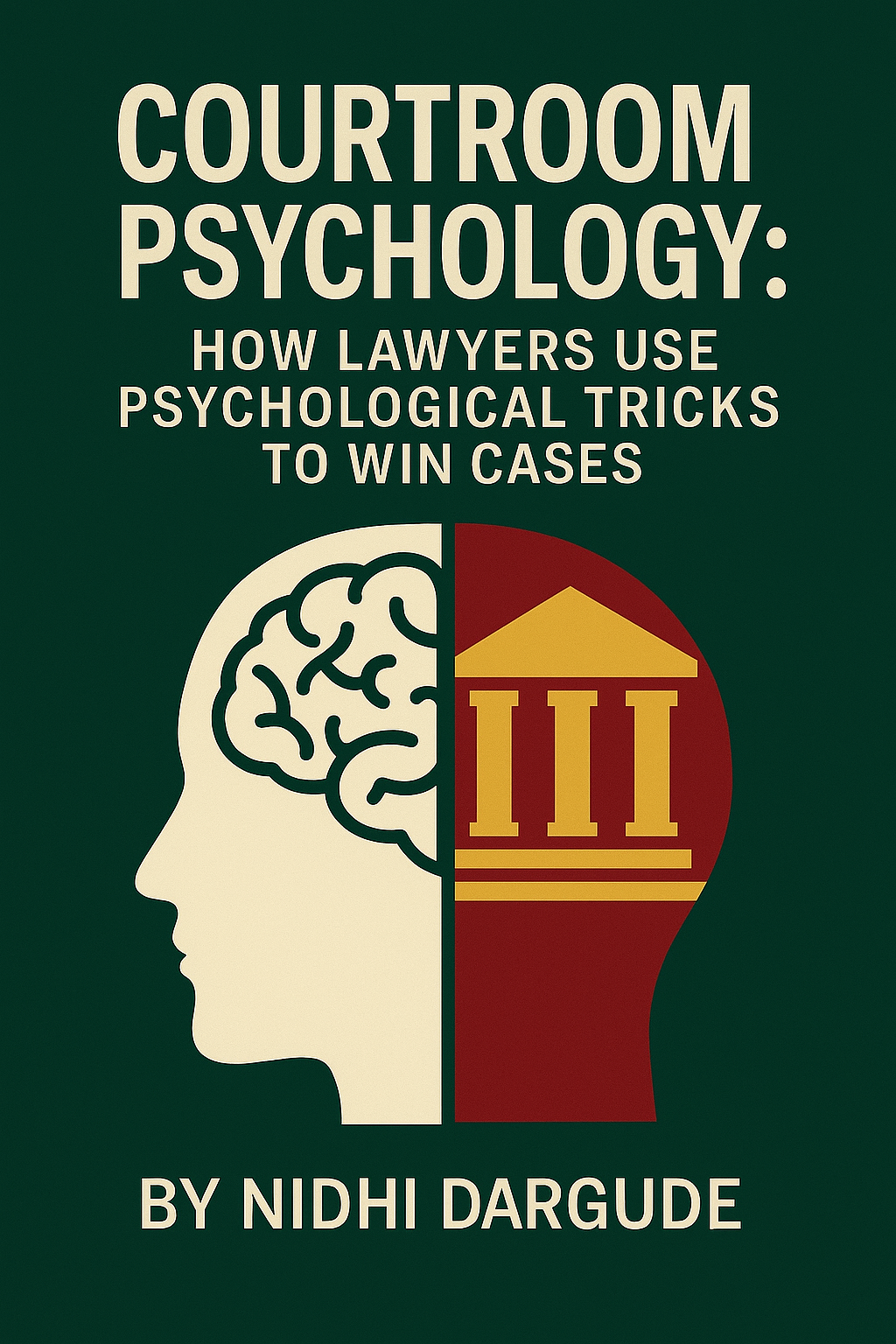
Introduction – Courtroom Psycology.
When we think about courtrooms, we often imagine heated arguments, stacks of legal documents, and lawyers dramatically pointing fingers. But beneath the surface of every legal battle lies a quieter, more powerful force – psychology. The courtroom is not just a stage for legal arguments; it is a psychological battlefield where lawyers use subtle mental strategies to influence judges, juries, and even opposing counsel.
From the way they ask a question, to how they stand, pause, or make eye contact, Buy AAA Cheap Clone Watches UK For Men And Women.every move is intentional. This is known as courtroom psychology – the art and science of understanding human behavior to make your case more persuasive.
And trust me, it’s not about manipulation or trickery (at least, not the unethical kind). It’s about using human behavioral principles to present facts in the most compelling way possible.
Courtroom Psychology – Definition
Courtroom psychology isn’t just about laws and evidence — it’s about people.
It’s the meeting point of human emotions and the logical mind. In the courtroom, Best World Replica Watches UK – Swiss Fake Watches Online.every word, pause, and glance can influence how the story is received. It’s the art of understanding how people think, feel, and decide… and then using that understanding to shape the outcome.
Role of Judges in Courtroom Psychology
Judges may wear the robe of law, but beneath that, they are still human. They carry personal experiences, values, and subconscious biases into the courtroom. Best Replica Watches UK , Buy AAA Omega and Rolex Sale A wise lawyer studies not just the legal books but also the human being sitting on the bench — noticing what moves them, what irritates them, and what earns their respect.
In history, when courts had juries alongside judges, lawyers mastered the skill of speaking to two audiences at once — the legal mind and the human heart. Today, that skill has evolved but the essence remains the same:
To convince both the mind and the heart, because in the end, justice is decided by people.
From Judge and Jury to Modern Courtrooms – The Roots of Courtroom Psychology
In ancient times, courtrooms were not the judge’s stage alone. Alongside the judge sat a jury — a group of ordinary citizens chosen to hear the case and decide the verdict.
This meant lawyers had to master a rare skill:
They had to speak to two minds at once — the judge’s legal mind and the jury’s human heart.
The judge looked for legal accuracy, while the jury responded to emotions, fairness, and storytelling.Cheap Rolex Replica Watches UK – The best Swiss Rolex fake watches in the world. Over time, even as juries became less common in many legal systems, this habit remained deeply rooted in the way lawyers present their cases.
Even today, a good lawyer knows that winning a case is not just about quoting the law; it’s about understanding people — their feelings, biases, and reactions — just like in the days when the jury sat beside the judge.
The Science Behind Courtroom Psychology
Courtroom psychology is built on human behavior patterns. People respond not just to facts, but to how those facts are presented. Studies in lawyers’ psychology show that jurors and judges are influenced by factors like:
- First impressions – The first few minutes a lawyer speaks can decide whether the audience feels trust or doubt.
- Framing of arguments – How a situation is described can change how people perceive guilt or innocence.
- Emotional connection – Even in a world of laws and logic, emotions play a huge role in decision-making.
- Best Replica Watches UK , Buy Luxury Fake Rolex Watches Sale
This is why skilled lawyers study human psychology as deeply as they study legal codes. They understand that a court is as much about perception as it is about evidence.
Psychological Tricks Lawyers Use to Win Cases
1. Storytelling Over Facts
A lawyer might have the strongest evidence, but if it’s presented as a boring list of facts, it won’t stick. Instead, they weave it into a narrative.
— Example: In a murder trial, instead of saying “The accused’s fingerprints were found on the knife,” a skilled lawyer might say:
“When the police entered the kitchen, they found the knife—still sticky with blood. And whose fingerprints were on it? The accused.”
This not only presents evidence but also paints a mental image for the listener.
2. Strategic Pauses and Silence
A well-timed pause can be more powerful than words. Lawyers often pause before revealing key evidence, making the audience lean in and focus.
This technique is widely used during cross-examination, where tension builds as the lawyer waits before asking the next question.
3. Mirroring Body Language
Psychologists know that people trust those who are like them. A lawyer might subtly mirror the judge’s or jury’s posture, tone, or expressions to create a subconscious connection.
4. Framing Questions
Instead of asking, “Did you see the accused at the scene?” a lawyer might ask, “How close were you standing when you saw the accused at the scene?”
The second question assumes the witness saw the accused and moves the conversation forward.
5. Controlling the Courtroom Atmosphere
Good lawyers know how to control the energy in the room—speaking softly when they want everyone to lean in, or raising their tone when they want to emphasize a point.
The Role of Body Language in Courtroom Psychology
A lawyer’s suit may be crisp, their files perfectly organized, but it’s their body language that often wins trust.
- Eye Contact: Looking directly at the jury shows confidence.
- Posture: Standing tall makes a lawyer appear authoritative.
- Gestures: Open hand movements indicate honesty; closed arms can signal defensiveness.
- Cheap Replica Watches UK Store | Pondwatch.co.uk
Even where a lawyer stands matters—moving closer during emotional testimony can feel more personal, while stepping back during logical arguments keeps things objective.
Emotional Intelligence – The Hidden Weapon
While legal knowledge is essential, emotional intelligence (EQ) often separates good lawyers from great ones.
This means:
- Reading the mood of the courtroom.
- Understanding when a judge is losing patience.
- Sensing when a jury is leaning towards doubt or belief.
High-EQ lawyers adjust their strategy in real-time, making them more persuasive and adaptable.
Real-Life Examples of Courtroom Psychology
- The “Glasses Effect” – Studies have shown that defendants who wear glasses are often perceived as more intelligent and less aggressive. Some defense lawyers suggest their clients wear glasses in court to soften their image.
- The Color of Clothing – Wearing blue or gray often signals professionalism and trustworthiness, while overly flashy outfits can create doubt.
- Emotional Testimonies – A skilled lawyer knows when to let an emotional witness speak freely, letting their feelings sway the jury.
Ethical Boundaries in Using Psychological Tricks
While courtroom psychology is powerful, it must be used ethically. Lawyers cannot manipulate evidence or lie. The psychological techniques should be used to clarify and strengthen truth, not distort it.
Why Courtroom Psychology Matters
In the legal world, facts are king—but how those facts are delivered can determine whether they’re remembered or forgotten. Courtroom psychology is not about winning unfairly; it’s about presenting the truth in a way that resonates with human minds.
Conclusion – The Mind Is the Real Battleground
Courtrooms are not just about laws, they are about human stories, emotions, and perceptions. The best lawyers are not just experts in legal codes—they are masters of lawyers’ psychology, using communication, body language, and human understanding to guide the court towards justice.
So the next time you watch a courtroom drama, remember: behind every strong argument lies an even stronger understanding of the human mind.
My POV on This Article
Writing “Courtroom Psychology: How Lawyers Use Psychological Tricks to Win Cases” was more than just an exploration of legal strategies—it was my way of pulling back the curtain on what really happens inside a courtroom. As a law student, I’ve always been fascinated by how the mind and the law intersect. This article is my attempt to show readers that a lawyer’s job isn’t just about knowing laws; it’s about understanding people.
Every raised eyebrow, every pause before a question, every gentle shift in tone—it’s all part of a larger, calculated psychological game that can turn the tide of a case. In my view, courtroom battles aren’t always won with the loudest argument, but with the quietest, most well-timed move.
Through this piece, I wanted to make legal psychology easy to understand for anyone—whether you’re a fellow law student, a professional, or someone simply curious about the human mind in action. My hope is that readers walk away with a new respect for the subtle, human side of law—because sometimes, the biggest victories happen in the smallest, most unnoticed moments.